Smart Homes: The Future of Living with IoT
Smart Homes: The Future of Living with IoT
Imagine waking up to the smell of freshly brewed coffee, your favorite playlist softly playing in the background, and the curtains gently opening to let in the morning sunlight—all without lifting a finger. This is not a scene from a sci-fi movie; it’s the reality of smart homes powered by the Internet of Things (IoT). Smart homes are revolutionizing the way we live, offering convenience, efficiency, and security like never before. In this article, we’ll explore how IoT is transforming our homes into intelligent living spaces, the technologies driving this change, and what the future holds for smart homes. By the end, you’ll understand why smart homes are not just a trend but the future of living.
What Are Smart Homes?
Defining Smart Homes
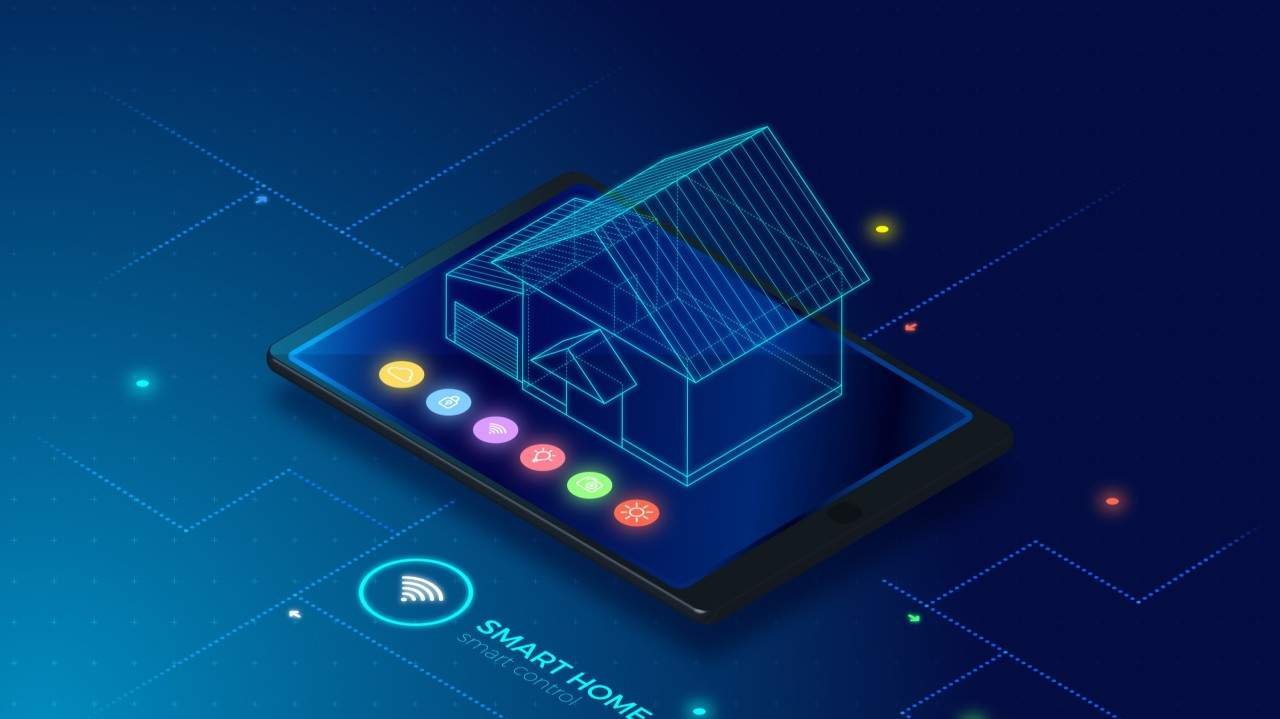
A smart home is a residence equipped with devices and systems that can be controlled remotely or automated to perform tasks. These devices are connected through the Internet of Things (IoT), allowing them to communicate with each other and with the user. From lighting and temperature to security and entertainment, smart homes offer a seamless and integrated living experience.
Key Features of Smart Homes
- Automation: Devices can be programmed to perform tasks automatically, such as turning off lights when you leave the house.
- Remote Control: You can control your home’s systems from anywhere using a smartphone or voice commands.
- Interconnectivity: Devices work together to create a cohesive ecosystem, enhancing efficiency and convenience.
- Energy Efficiency: Smart homes optimize energy use, reducing waste and lowering utility bills.
Why Smart Homes Matter
Smart homes are not just about convenience; they represent a shift toward more sustainable, secure, and efficient living. By integrating technology into our daily lives, smart homes can improve our quality of life and reduce our environmental footprint.
How IoT Powers Smart Homes
Understanding IoT
The Internet of Things (IoT) refers to the network of physical devices, vehicles, appliances, and other objects embedded with sensors, software, and connectivity. These devices collect and exchange data, enabling them to perform tasks without human intervention.
IoT in Smart Homes
In a smart home, IoT connects devices like thermostats, cameras, lights, and appliances to a central hub or network. This allows them to communicate and work together, creating a unified and intelligent living environment.
Examples of IoT Devices in Smart Homes
- Smart Thermostats: Devices like Nest learn your preferences and adjust the temperature automatically.
- Smart Lights: Philips Hue bulbs can be controlled remotely and programmed to change colors or brightness.
- Smart Security Systems: Cameras and doorbells like Ring provide real-time surveillance and alerts.
- Smart Appliances: Refrigerators, ovens, and washing machines can be controlled via apps or voice assistants.
Benefits of Smart Homes
Convenience and Comfort
Smart homes make everyday tasks easier. Imagine controlling your lights, music, and thermostat with a simple voice command or scheduling your coffee maker to start brewing before you wake up.
Energy Efficiency
Smart homes optimize energy use by automating lighting, heating, and cooling systems. For example, smart thermostats can adjust the temperature based on your schedule, reducing energy waste.
Enhanced Security
Smart security systems offer real-time monitoring, remote access, and instant alerts. You can check your home’s security cameras from your phone or receive notifications if a sensor is triggered.
Cost Savings
While the initial investment in smart home technology can be high, the long-term savings on energy bills and home maintenance can make it worthwhile.
Accessibility
Smart homes can improve the quality of life for elderly or disabled individuals by automating tasks and providing remote control options.
Technologies Driving Smart Homes
Voice Assistants
Voice-controlled assistants like Amazon Alexa, Google Assistant, and Apple Siri are central to smart homes. They allow users to control devices, set reminders, and access information using simple voice commands.
Artificial Intelligence (AI)
AI powers the intelligence behind smart home devices. It enables devices to learn user preferences, predict needs, and make decisions autonomously.
Sensors and Actuators
Sensors detect changes in the environment, such as motion, temperature, or light, while actuators perform actions, like turning on a light or locking a door.
Cloud Computing
Cloud computing enables the storage and processing of data from smart home devices, allowing for remote access and real-time updates.
Applications of Smart Homes
Home Automation
Automation is at the heart of smart homes. From turning off lights to watering plants, automation simplifies daily routines and enhances efficiency.
Home Security
Smart security systems include cameras, motion detectors, and smart locks that provide real-time monitoring and alerts. Some systems even integrate with local law enforcement.
Energy Management
Smart homes use energy-efficient devices and systems to reduce consumption. Smart thermostats, solar panels, and energy monitors help homeowners track and optimize their energy use.
Health and Wellness
Smart homes can monitor air quality, humidity, and temperature to create a healthier living environment. Some systems even include wearable devices that track health metrics.
Entertainment
Smart TVs, speakers, and streaming devices create immersive entertainment experiences. You can control your entire entertainment system with a single remote or voice command.
Challenges and Concerns
Privacy and Security
With so many devices connected to the internet, smart homes are vulnerable to hacking and data breaches. Ensuring the security of personal data is a major concern.
Cost
The initial cost of smart home devices and installation can be high, making it inaccessible for some homeowners.
Compatibility
Not all smart home devices are compatible with each other, which can create challenges in creating a unified system.
Technical Issues
Smart home technology is still evolving, and users may face technical glitches or difficulties in setting up and maintaining their systems.
The Future of Smart Homes
Integration with Smart Cities
As smart homes become more common, they will integrate with smart city infrastructure, such as energy grids and transportation systems, creating a more connected and efficient urban environment.
Advancements in AI and IoT
As AI and IoT technologies continue to evolve, smart homes will become even more intelligent and autonomous. Devices will be able to anticipate needs and make decisions without human intervention.
Sustainability
Smart homes will play a key role in promoting sustainability by optimizing energy use, reducing waste, and supporting renewable energy sources.
Personalized Experiences
Future smart homes will offer highly personalized experiences, tailoring everything from lighting and temperature to entertainment and health monitoring to individual preferences.
Conclusion
Smart homes powered by IoT are transforming the way we live, offering unprecedented levels of convenience, efficiency, and security. While challenges remain, the potential benefits of smart homes are too significant to ignore. As technology continues to advance, smart homes will become even more integrated into our daily lives, creating a future where our living spaces are not just places to live but intelligent ecosystems that enhance our well-being and quality of life. The future of living is smart, and it’s already here.



Post Comment