How to Balance School and Extracurricular Activities
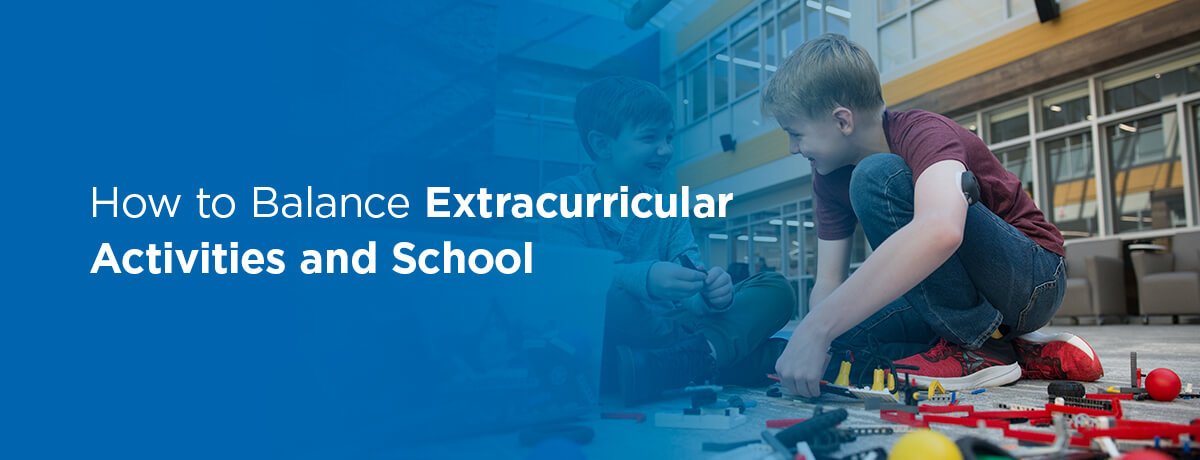
How to Balance School and Extracurricular Activities
Balancing school and extracurricular activities can feel like walking a tightrope. On one hand, excelling academically is crucial for your future. On the other hand, extracurricular activities—whether it’s sports, music, debate, or volunteering—help you develop essential life skills, build friendships, and explore your passions. But how do you manage both without feeling overwhelmed? This article will provide you with practical tips and strategies to help you balance schoolwork and extracurricular activities effectively. By learning to manage your time, prioritize tasks, and take care of yourself, you can thrive both in the classroom and beyond.
Why Balancing School and Extracurriculars Matters
Before diving into strategies, it’s important to understand why balancing school and extracurricular activities is so important. Both play a vital role in your personal and academic development.
- Academic Success: School is your primary responsibility. Good grades open doors to higher education and future career opportunities. However, focusing solely on academics can lead to burnout and limit your overall growth.
- Skill Development: Extracurricular activities teach you skills that aren’t always covered in the classroom. For example, playing a sport can improve teamwork and discipline, while joining a debate club can enhance public speaking and critical thinking.
- College Applications: Colleges and universities look for well-rounded students who excel both academically and outside the classroom. Participating in extracurricular activities shows that you’re motivated, passionate, and capable of managing multiple responsibilities.
- Personal Growth: Extracurriculars allow you to explore your interests, build confidence, and make lasting memories. They also provide a break from the stress of schoolwork, helping you recharge and stay motivated.
Balancing both areas ensures that you’re not only successful in school but also prepared for life’s challenges.
Create a Schedule That Works for You
One of the most effective ways to balance school and extracurricular activities is to create a schedule. A well-organized plan helps you manage your time, stay on top of deadlines, and avoid last-minute stress. Here’s how to create a schedule that works for you:
- List Your Commitments: Start by listing all your school assignments, extracurricular activities, and other responsibilities. Include deadlines, practice times, and any other important dates.
- Use a Planner or App: Whether you prefer a physical planner or a digital app like Google Calendar, having a central place to track your schedule is essential. Color-code different activities to make it easy to see what’s coming up.
- Set Priorities: Not all tasks are equally important. Identify your top priorities—such as upcoming exams or major projects—and allocate more time to them.
- Include Breaks: Don’t forget to schedule breaks and downtime. Overloading yourself can lead to burnout, so make sure you have time to relax and recharge.
A well-structured schedule will help you stay organized and ensure that you have enough time for both schoolwork and extracurriculars.
Learn to Prioritize
With so many responsibilities, it’s easy to feel overwhelmed. Learning to prioritize is key to managing your time effectively. Here are some tips to help you prioritize:
- Use the Urgent-Important Matrix: Divide your tasks into four categories: urgent and important, important but not urgent, urgent but not important, and neither urgent nor important. Focus on tasks that are both urgent and important first.
- Break Tasks into Smaller Steps: Large projects can feel daunting. Break them into smaller, manageable steps and tackle them one at a time.
- Say No When Necessary: It’s okay to say no to additional commitments if you’re already feeling overwhelmed. Focus on what’s most important to you and let go of activities that don’t align with your goals.
Prioritizing helps you focus on what truly matters and avoid wasting time on less important tasks.
Develop Time Management Skills
Time management is the cornerstone of balancing school and extracurricular activities. Here are some strategies to help you make the most of your time:
- Use the Pomodoro Technique: This technique involves working for 25 minutes, then taking a 5-minute break. It helps you stay focused and prevents burnout.
- Avoid Procrastination: Procrastination can lead to last-minute stress and poor-quality work. To avoid it, start tasks early and set small, achievable goals.
- Set Time Limits: Allocate a specific amount of time for each task and stick to it. This prevents you from spending too much time on one activity and neglecting others.
- Multitask Wisely: While multitasking isn’t always effective, there are times when it can be helpful. For example, you can review flashcards while waiting for practice to start.
Effective time management ensures that you have enough time for both schoolwork and extracurriculars without feeling rushed.
Stay Organized
Staying organized is essential for balancing school and extracurricular activities. A cluttered workspace or disorganized schedule can make it difficult to focus and stay on track. Here are some tips to help you stay organized:
- Keep Your Workspace Clean: A clean and tidy workspace can help you concentrate better. Make sure your desk is free of distractions like your phone or unnecessary clutter.
- Use Folders and Binders: Organize your school notes, assignments, and extracurricular materials in folders or binders. Label them clearly so you can easily find what you need.
- Create To-Do Lists: Write down all the tasks you need to complete each day. This will help you stay on track and ensure that you don’t forget anything important.
- Use Digital Tools: There are many apps and tools available that can help you stay organized, such as Trello, Evernote, or Notion. These tools can help you keep track of deadlines, create to-do lists, and store your notes digitally.
Staying organized will save you time and reduce stress, making it easier to balance your responsibilities.
Communicate with Teachers and Coaches
Communication is key to balancing school and extracurricular activities. If you’re feeling overwhelmed, don’t hesitate to talk to your teachers or coaches. They can offer support, flexibility, or advice to help you manage your workload. Here’s how to communicate effectively:
- Be Honest: If you’re struggling to keep up with schoolwork due to extracurricular commitments, let your teachers know. They may be able to offer extensions or additional support.
- Ask for Help: If you’re having trouble understanding a concept or completing an assignment, ask your teachers for help. They’re there to support you.
- Coordinate with Coaches: If you have a big game or performance coming up, let your coaches know about any school deadlines. They may be able to adjust practice schedules or offer additional support.
Open communication ensures that everyone is on the same page and can help you find solutions to challenges.
Take Care of Your Health
Balancing school and extracurricular activities can be stressful, but it’s important to take care of your physical and mental health. Neglecting your health can lead to burnout, fatigue, and poor performance. Here are some tips to help you stay healthy:
- Get Enough Sleep: Sleep is essential for memory, focus, and overall well-being. Aim for 7-9 hours of sleep each night, especially during busy periods.
- Eat a Balanced Diet: A healthy diet can boost your energy levels and improve your concentration. Include plenty of fruits, vegetables, whole grains, and protein in your meals.
- Exercise Regularly: Physical activity can help reduce stress, improve mood, and increase energy levels. Even a short walk or a quick workout can make a big difference.
- Practice Mindfulness: Techniques like deep breathing, meditation, or journaling can help you manage stress and stay focused.
Taking care of your health ensures that you have the energy and resilience to handle your responsibilities.
Set Realistic Goals
Setting realistic goals is essential for balancing school and extracurricular activities. Unrealistic expectations can lead to frustration and burnout. Here’s how to set goals that work for you:
- Be Specific: Instead of saying, “I want to do well in school,” set specific goals like, “I want to get an A in math this semester.”
- Break Goals into Steps: Large goals can feel overwhelming. Break them into smaller, achievable steps and celebrate your progress along the way.
- Be Flexible: Life doesn’t always go as planned, and that’s okay. Be willing to adjust your goals if necessary and focus on what’s most important.
Realistic goals help you stay motivated and focused without feeling overwhelmed.
Learn to Say No
It’s easy to take on too many commitments, especially when you’re passionate about your extracurricular activities. However, overloading yourself can lead to stress and burnout. Learning to say no is an important skill that helps you protect your time and energy. Here’s how to do it:
- Evaluate Your Commitments: Regularly assess your schedule and identify activities that are no longer serving you. It’s okay to step back from commitments that are causing more stress than joy.
- Be Honest: If you’re asked to take on a new commitment but don’t have the time, be honest about your limitations. Most people will understand and respect your decision.
- Focus on Quality Over Quantity: It’s better to fully commit to a few activities than to spread yourself too thin. Choose activities that align with your goals and passions.
Saying no allows you to focus on what truly matters and maintain a healthy balance.
Reflect and Adjust
Balancing school and extracurricular activities is an ongoing process. What works one semester may not work the next, so it’s important to regularly reflect on your schedule and make adjustments as needed. Here’s how to do it:
- Review Your Schedule: At the end of each week or month, review your schedule and identify what worked and what didn’t. Make adjustments as needed.
- Seek Feedback: Talk to your teachers, coaches, or parents about how you’re managing your responsibilities. They may have valuable insights or suggestions.
- Celebrate Your Successes: Take time to celebrate your achievements, no matter how small. This will help you stay motivated and positive.
Reflecting and adjusting ensures that you’re always improving and finding new ways to balance your responsibilities.
Conclusion
Balancing school and extracurricular activities is challenging, but with the right strategies, it’s entirely possible. By creating a schedule, prioritizing tasks, managing your time, and taking care of your health, you can excel both academically and outside the classroom. Remember, it’s not about doing everything perfectly—it’s about finding a balance that works for you. With determination, organization, and a positive attitude, you can achieve your goals and make the most of your school years. So go ahead, embrace the challenge, and show the world what you’re capable of!




Post Comment