Metaverse Explained: How It’s Changing the Future of Tech
Metaverse Explained: How It’s Changing the Future of Tech
The concept of the Metaverse has taken the world by storm, promising to revolutionize the way we interact with technology, each other, and the digital world. As we move further into the 21st century, the Metaverse is no longer just a science fiction idea—it’s becoming a reality. This article will explore what the Metaverse is, how it works, and the ways it is transforming the future of technology. We’ll dive into its applications across industries, the challenges it faces, and what it means for society as a whole. By the end, you’ll have a clear understanding of why the Metaverse is one of the most exciting and transformative developments of our time.
What is the Metaverse?
Defining the Metaverse
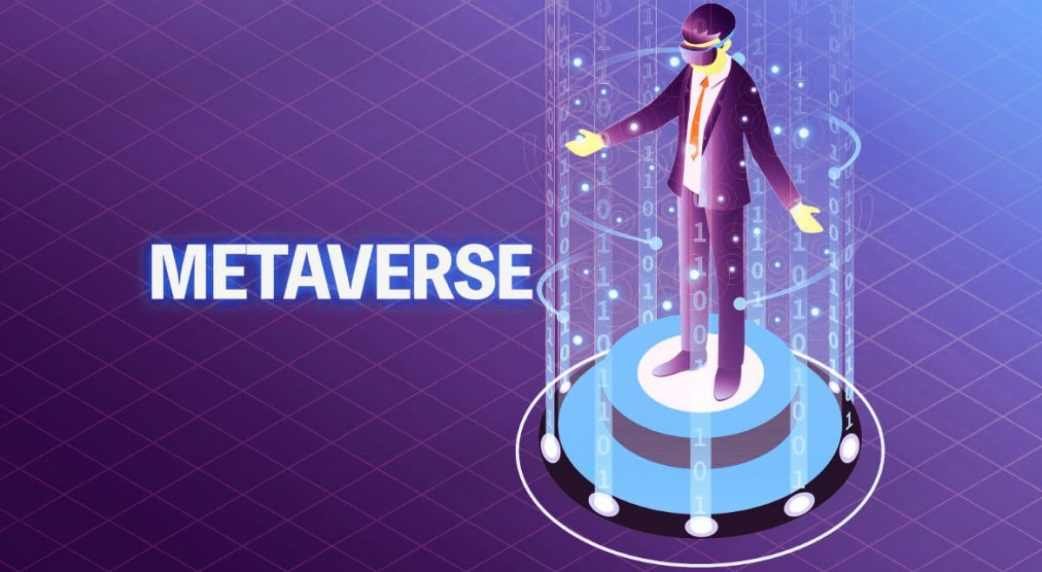
The Metaverse is a collective virtual shared space, created by the convergence of virtually enhanced physical reality, augmented reality (AR), and the internet. Think of it as a fully immersive digital universe where people can interact, work, play, and socialize in real-time. Unlike the internet we know today, which is accessed through screens, the Metaverse is experienced through virtual reality (VR) headsets, AR glasses, and other immersive technologies.
Key Features of the Metaverse
- Immersive Experience: The Metaverse offers a 3D environment that feels real, allowing users to explore and interact with digital spaces as if they were physically present.
- Interconnectivity: It connects multiple platforms, games, and applications, creating a seamless experience across different virtual worlds.
- User-Created Content: Users can create, own, and monetize their digital assets, such as virtual real estate, avatars, and even entire worlds.
- Real-Time Interaction: The Metaverse enables real-time communication and collaboration, making it feel like a living, breathing space.
Why the Metaverse Matters
The Metaverse represents the next evolution of the internet. It’s not just a new way to play games or socialize—it’s a platform that could redefine how we work, learn, and connect. By blending the physical and digital worlds, the Metaverse has the potential to create entirely new economies, industries, and ways of life.
How Does the Metaverse Work?
The Technology Behind the Metaverse
The Metaverse is powered by a combination of cutting-edge technologies, including:
- Virtual Reality (VR): VR headsets like the Oculus Rift or HTC Vive allow users to enter fully immersive digital environments.
- Augmented Reality (AR): AR glasses, such as Microsoft HoloLens, overlay digital elements onto the real world, blending physical and virtual spaces.
- Blockchain: Blockchain technology enables secure ownership and trading of digital assets, such as NFTs (non-fungible tokens), within the Metaverse.
- Artificial Intelligence (AI): AI powers the intelligent behaviors of virtual characters, personalizes user experiences, and enhances content creation.
- 5G and Edge Computing: High-speed internet and edge computing ensure smooth, lag-free experiences, even in complex virtual environments.
Building Blocks of the Metaverse
- Avatars: Users create digital representations of themselves, known as avatars, to navigate and interact within the Metaverse.
- Virtual Economies: The Metaverse has its own economies, where users can buy, sell, and trade digital goods using cryptocurrencies or virtual currencies.
- Social Platforms: Platforms like Decentraland and Roblox serve as entry points to the Metaverse, offering spaces for socializing, gaming, and creativity.
Applications of the Metaverse Across Industries
Gaming and Entertainment
The gaming industry has been at the forefront of Metaverse development. Games like Fortnite and Roblox already offer immersive experiences where players can socialize, attend virtual concerts, and even purchase digital items. In the future, the Metaverse could host entirely new forms of entertainment, such as interactive movies and live events.
Education and Training
The Metaverse has the potential to revolutionize education by creating immersive learning environments. Imagine students exploring ancient civilizations in VR or medical professionals practicing surgeries in a risk-free virtual space. This hands-on approach could make learning more engaging and effective.
Work and Collaboration
Remote work could be transformed by the Metaverse. Virtual offices would allow employees to collaborate in real-time, regardless of their physical location. Tools like virtual whiteboards and 3D presentations could make meetings more interactive and productive.
Healthcare
In healthcare, the Metaverse could enable virtual consultations, remote surgeries, and mental health therapy in immersive environments. Patients could interact with doctors through avatars, making healthcare more accessible and personalized.
Retail and E-Commerce
The Metaverse could redefine shopping by allowing users to try on clothes virtually, explore digital stores, and even attend virtual fashion shows. Brands like Nike and Gucci are already experimenting with virtual products and experiences.
The Economic Impact of the Metaverse
New Job Opportunities
The Metaverse is creating entirely new job categories, such as virtual architects, avatar designers, and digital asset managers. These roles require a mix of technical and creative skills, opening up opportunities for a diverse workforce.
Virtual Real Estate
Just like in the physical world, virtual real estate is becoming a valuable asset. Platforms like Decentraland allow users to buy, sell, and develop virtual land, which can be used for businesses, events, or personal spaces.
Digital Ownership and NFTs
Non-fungible tokens (NFTs) are a key component of the Metaverse economy. They allow users to own unique digital items, such as art, music, or virtual real estate. This has created a booming market for digital collectibles and assets.
Challenges and Concerns
Privacy and Security
As the Metaverse collects vast amounts of personal data, privacy and security become major concerns. Ensuring that user data is protected and used ethically will be critical to its success.
Accessibility
Not everyone has access to the expensive hardware required to experience the Metaverse. Bridging this digital divide will be essential to ensure that the Metaverse is inclusive and equitable.
Regulation and Governance
The Metaverse operates across borders, making it difficult to regulate. Establishing clear rules and standards will be necessary to prevent issues like fraud, harassment, and exploitation.
The Future of the Metaverse
Integration with Everyday Life
In the future, the Metaverse could become as integral to our lives as the internet is today. From virtual meetings to digital shopping, it could reshape how we live, work, and play.
Advancements in Technology
As VR, AR, and AI technologies continue to evolve, the Metaverse will become even more immersive and realistic. This could lead to new applications and experiences that we can’t even imagine yet.
Societal Impact
The Metaverse has the potential to bring people closer together, breaking down geographical barriers and fostering global collaboration. However, it also raises questions about how it will affect our sense of identity, community, and reality.
Conclusion
The Metaverse is more than just a buzzword—it’s a transformative technology that is poised to change the future of tech and society. By blending the physical and digital worlds, it offers endless possibilities for innovation, creativity, and connection. While challenges remain, the potential benefits of the Metaverse are too significant to ignore. As we continue to explore and develop this exciting new frontier, one thing is clear: the Metaverse is here to stay, and it’s changing the way we think about technology and the world around us.



Post Comment