The Benefits of Project-Based Learning in Schools
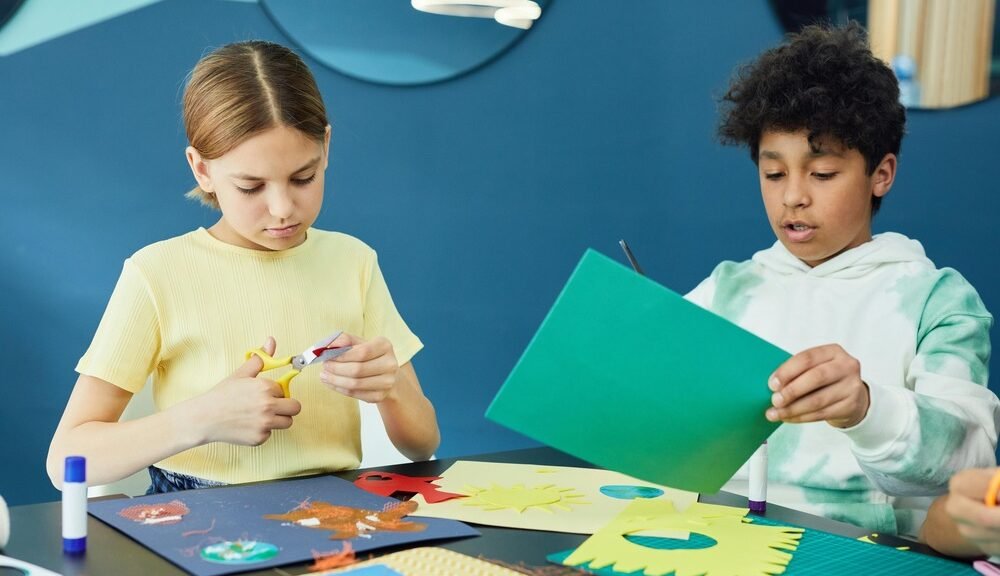
The Benefits of Project-Based Learning in Schools
Education is evolving, and traditional teaching methods are being reimagined to better prepare students for the challenges of the 21st century. One approach that has gained significant attention is Project-Based Learning (PBL). Unlike traditional rote learning, PBL focuses on hands-on, real-world projects that encourage students to think critically, collaborate, and solve problems. This article explores the many benefits of project-based learning, how it works, and why it’s becoming a cornerstone of modern education. Whether you’re a student, parent, or educator, understanding PBL can help you see why it’s such a powerful tool for learning.
What is Project-Based Learning?
Project-Based Learning is a teaching method where students gain knowledge and skills by working on a project over an extended period. Instead of passively listening to lectures or memorizing facts, students actively engage in solving real-world problems or answering complex questions. For example, instead of simply learning about climate change from a textbook, students might design a campaign to reduce their school’s carbon footprint.
- Key Features: PBL involves collaboration, critical thinking, creativity, and communication. It’s student-centered, meaning students take ownership of their learning.
- Real-World Connection: Projects are often tied to real-world issues, making learning more relevant and engaging.
PBL transforms the classroom into a dynamic environment where students are not just learners but also problem-solvers and innovators.
Encourages Critical Thinking and Problem-Solving
One of the biggest benefits of PBL is that it encourages students to think critically and solve problems. Instead of being told what to do, students are challenged to figure things out on their own.
- Complex Questions: Projects often start with a driving question that requires deep thinking. For example, “How can we reduce food waste in our community?” This pushes students to analyze, evaluate, and create solutions.
- Trial and Error: Students learn through experimentation, making mistakes, and refining their ideas. This process helps them develop resilience and adaptability.
By engaging in PBL, students become better equipped to tackle challenges in school and beyond.
Promotes Collaboration and Teamwork
In today’s world, collaboration is a key skill. PBL naturally fosters teamwork as students work together to complete projects.
- Group Projects: Students often work in teams, dividing tasks and sharing responsibilities. This teaches them how to communicate effectively, resolve conflicts, and leverage each other’s strengths.
- Peer Learning: Students learn from one another, gaining new perspectives and ideas. This collaborative environment mirrors real-world workplaces, where teamwork is essential.
Through PBL, students learn how to work with others, a skill that will benefit them throughout their lives.
Makes Learning Relevant and Engaging
One of the challenges of traditional education is that students often struggle to see the relevance of what they’re learning. PBL addresses this by connecting lessons to real-world issues.
- Real-World Applications: Projects are designed to address real problems, such as designing a sustainable garden or creating a business plan. This makes learning more meaningful and engaging.
- Student Choice: PBL often allows students to choose topics that interest them, increasing their motivation and enthusiasm.
When students see how their learning applies to the real world, they’re more likely to stay engaged and retain information.
Develops Creativity and Innovation
PBL encourages students to think outside the box and come up with innovative solutions. Unlike traditional methods that focus on one “right” answer, PBL values creativity and originality.
- Open-Ended Projects: Projects often have multiple solutions, allowing students to explore different approaches and ideas.
- Creative Expression: Students can use various mediums, such as art, technology, or writing, to present their projects. This encourages them to express themselves creatively.
By fostering creativity, PBL helps students become innovative thinkers who can approach problems in unique ways.
Builds Communication Skills
Effective communication is a vital skill in both school and life. PBL provides numerous opportunities for students to practice and improve their communication skills.
- Presentations: Students often present their projects to classmates, teachers, or even community members. This helps them develop public speaking and presentation skills.
- Written Communication: Projects may require students to write reports, create blogs, or design posters, enhancing their written communication abilities.
Through PBL, students learn how to articulate their ideas clearly and confidently.
Encourages Self-Directed Learning
PBL empowers students to take charge of their own learning. Instead of relying solely on teachers, students become active participants in their education.
- Ownership: Students take ownership of their projects, from planning to execution. This fosters a sense of responsibility and independence.
- Time Management: PBL requires students to manage their time effectively, balancing research, collaboration, and project completion.
By encouraging self-directed learning, PBL prepares students for lifelong learning and success in higher education and careers.
Supports Diverse Learning Styles
Every student learns differently, and PBL accommodates a variety of learning styles. Whether a student is a visual learner, an auditory learner, or a hands-on learner, PBL offers something for everyone.
- Multimodal Learning: Projects often involve a mix of reading, writing, creating, and presenting, catering to different learning preferences.
- Personalized Learning: Students can approach projects in ways that suit their strengths and interests, making learning more enjoyable and effective.
PBL ensures that all students, regardless of their learning style, have the opportunity to succeed.
Prepares Students for the Future
The skills developed through PBL—critical thinking, collaboration, creativity, and communication—are exactly what employers and colleges are looking for. PBL prepares students for the demands of the 21st-century workforce.
- Career Readiness: Many careers require problem-solving, teamwork, and innovation. PBL helps students develop these skills early on.
- College Preparation: PBL teaches students how to manage long-term projects, conduct research, and think critically—skills that are essential for success in college.
By participating in PBL, students are better prepared for the challenges and opportunities of the future.
Challenges and How to Overcome Them
While PBL offers many benefits, it’s not without its challenges. Here are some common obstacles and how to address them:
- Time-Consuming: PBL projects can take longer to complete than traditional lessons. To overcome this, teachers can break projects into smaller, manageable phases.
- Resource-Intensive: PBL may require additional resources, such as materials or technology. Schools can seek grants or community partnerships to support these needs.
- Assessment Difficulties: Assessing PBL can be challenging because it’s not always easy to measure creativity or collaboration. Teachers can use rubrics that focus on both the process and the final product.
By addressing these challenges, schools can successfully implement PBL and maximize its benefits.
Examples of Project-Based Learning in Action
To better understand how PBL works, let’s look at some real-world examples:
- Environmental Science: Students might design a plan to reduce their school’s energy consumption, incorporating research, data analysis, and community outreach.
- History: Students could create a documentary about a historical event, interviewing experts and using multimedia tools to present their findings.
- Math: Students might design a budget for a fictional business, applying math skills to real-world scenarios.
These examples show how PBL can be applied across different subjects, making learning more engaging and meaningful.
How Parents Can Support Project-Based Learning
Parents play a crucial role in supporting their children’s education. Here’s how you can encourage and support PBL at home:
- Ask Questions: Show interest in your child’s projects by asking questions and discussing their ideas.
- Provide Resources: Help your child access materials, technology, or community resources they might need for their projects.
- Celebrate Efforts: Praise your child’s hard work and creativity, even if the project doesn’t turn out perfectly.
By supporting PBL, parents can help their children develop a love for learning and a sense of accomplishment.
The Role of Teachers in PBL
Teachers are the backbone of PBL, guiding students through the process and providing support. Here’s how teachers can make PBL successful:
- Facilitate, Don’t Dictate: Instead of giving students all the answers, teachers should act as facilitators, encouraging students to explore and discover on their own.
- Provide Feedback: Regular feedback helps students improve their projects and stay on track.
- Create a Supportive Environment: Teachers should foster a classroom culture where students feel safe to take risks and make mistakes.
With the right guidance, teachers can help students thrive in a PBL environment.
The Future of Project-Based Learning
As education continues to evolve, PBL is likely to play an even bigger role in schools. Here’s what the future might hold:
- Technology Integration: Advances in technology, such as virtual reality and artificial intelligence, will enhance PBL by providing new tools and resources.
- Global Collaboration: PBL projects could involve students from different parts of the world, fostering global awareness and collaboration.
- Lifelong Learning: PBL’s emphasis on critical thinking and problem-solving will prepare students for a lifetime of learning and adaptation.
The future of education is bright, and PBL is at the forefront of this transformation.
Conclusion
Project-Based Learning is more than just a teaching method; it’s a way to prepare students for the complexities of the modern world. By encouraging critical thinking, collaboration, creativity, and communication, PBL equips students with the skills they need to succeed in school, work, and life. While it comes with its challenges, the benefits far outweigh the obstacles. As educators, parents, and students embrace PBL, we can create a more engaging, relevant, and effective learning experience for everyone. So let’s take the leap and explore the endless possibilities of Project-Based Learning!




Post Comment