The Future of Education: How Technology is Changing Classrooms
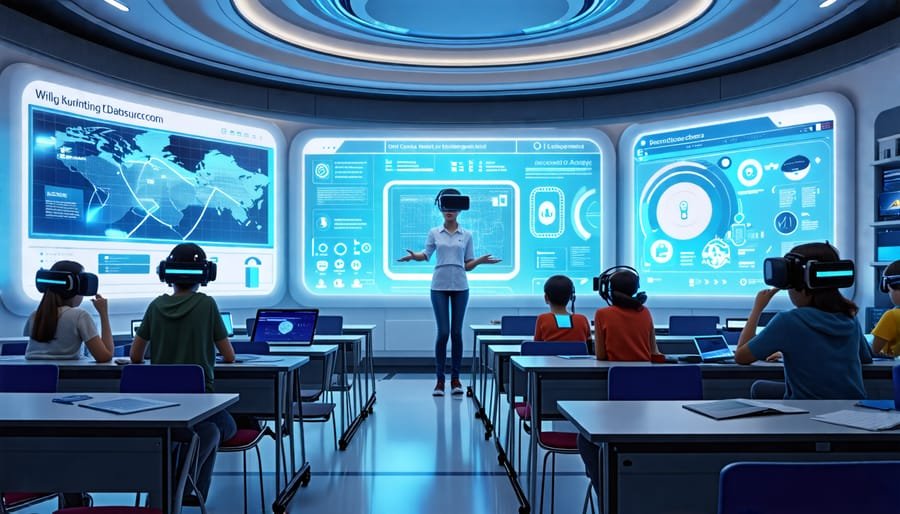
The Future of Education: How Technology is Changing Classrooms
Education has always been a cornerstone of society, shaping the minds of future generations and preparing them for the challenges of the world. However, the way we learn and teach is undergoing a dramatic transformation, thanks to the rapid advancements in technology. From interactive whiteboards to online learning platforms, technology is revolutionizing classrooms and redefining the future of education. This article explores how technology is changing the way we learn, the benefits and challenges it brings, and what the future holds for students and educators alike.
The Rise of Digital Classrooms
Gone are the days when classrooms were limited to chalkboards, textbooks, and handwritten notes. Today, digital tools and devices are becoming an integral part of the learning experience. Smartboards, tablets, and laptops are replacing traditional teaching tools, making lessons more interactive and engaging.
- Interactive Whiteboards: These allow teachers to display multimedia content, annotate lessons in real-time, and even connect with students remotely. They make learning more dynamic and cater to different learning styles.
- Tablets and Laptops: Many schools are adopting a “bring your own device” (BYOD) policy, encouraging students to use their own tablets or laptops for learning. This not only reduces the need for physical textbooks but also allows students to access a wealth of online resources.
Digital classrooms are not just about replacing old tools with new ones; they’re about creating a more immersive and personalized learning experience.
Online Learning Platforms
The rise of online learning platforms has made education more accessible than ever before. Platforms like Khan Academy, Coursera, and Duolingo offer a wide range of courses, from math and science to languages and coding. These platforms allow students to learn at their own pace, revisit lessons as needed, and even earn certifications.
- Flexibility: Online learning platforms provide the flexibility to learn anytime, anywhere. This is particularly beneficial for students who have busy schedules or live in remote areas.
- Personalization: Many platforms use algorithms to tailor lessons to individual students’ needs, ensuring that they get the most out of their learning experience.
Online learning is not just a supplement to traditional education; it’s becoming a core part of how we learn.
Gamification in Education
Gamification is the use of game-like elements in non-game contexts, and it’s making its way into classrooms. By turning lessons into games, educators can make learning more engaging and fun.
- Educational Games: Games like Minecraft: Education Edition and Prodigy Math Game are designed to teach students important concepts while keeping them entertained.
- Reward Systems: Many platforms use points, badges, and leaderboards to motivate students and track their progress.
Gamification not only makes learning more enjoyable but also helps students develop problem-solving and critical-thinking skills.
Virtual and Augmented Reality
Virtual reality (VR) and augmented reality (AR) are taking classroom learning to a whole new level. These technologies allow students to explore virtual worlds, conduct experiments, and interact with 3D models.
- Virtual Field Trips: With VR, students can visit historical sites, explore outer space, or dive into the ocean without leaving the classroom.
- Interactive Simulations: AR can bring textbooks to life by overlaying digital information onto physical objects. For example, students can use AR to study the human body in 3D.
VR and AR are not just cool gadgets; they’re powerful tools that can make learning more immersive and memorable.
Artificial Intelligence in Education
Artificial intelligence (AI) is transforming education by providing personalized learning experiences and automating administrative tasks.
- Personalized Learning: AI-powered platforms like DreamBox and Squirrel AI use data analytics to create customized lesson plans for each student. This ensures that students learn at their own pace and focus on areas where they need improvement.
- Automated Grading: AI can grade assignments and exams, freeing up teachers’ time to focus on instruction and student interaction.
AI is not just a tool for students; it’s also helping educators become more effective and efficient.
Collaborative Learning Tools
Technology is making it easier for students to collaborate with their peers, both in and out of the classroom. Tools like Google Classroom, Microsoft Teams, and Zoom allow students to work together on projects, share resources, and communicate in real-time.
- Group Projects: Collaborative tools make it easy for students to work on group projects, even if they’re not in the same location.
- Peer Feedback: Students can share their work with classmates and receive feedback, fostering a sense of community and collaboration.
Collaborative learning tools are breaking down the walls of the classroom and creating a more connected learning environment.
The Role of Teachers in a Tech-Driven Classroom
While technology is changing the way we learn, the role of teachers remains as important as ever. In fact, teachers are now more crucial than ever in guiding students through the digital landscape.
- Facilitators of Learning: Teachers are no longer just providers of information; they’re facilitators who help students navigate online resources and use technology effectively.
- Mentors and Coaches: Teachers play a key role in motivating students, providing emotional support, and helping them develop critical life skills.
Technology is not replacing teachers; it’s empowering them to be more effective educators.
Challenges of Technology in Education
While technology offers many benefits, it also comes with its own set of challenges.
- Digital Divide: Not all students have access to the same technology, creating a gap between those who can afford it and those who can’t.
- Screen Time Concerns: Excessive screen time can lead to health issues like eye strain and poor posture. It’s important to balance technology use with physical activity and offline learning.
- Data Privacy: With the increasing use of online platforms, protecting students’ data and privacy has become a major concern.
Addressing these challenges is essential to ensure that technology benefits all students equally.
The Future of Education
The future of education is exciting and full of possibilities. As technology continues to evolve, we can expect to see even more innovative tools and methods that will transform the way we learn.
- Lifelong Learning: With the rapid pace of technological change, lifelong learning will become the norm. Online platforms and micro-credentials will make it easier for people to continue learning throughout their lives.
- Global Classrooms: Technology will break down geographical barriers, allowing students from different parts of the world to learn together and share ideas.
- AI-Driven Personalization: AI will continue to play a bigger role in education, providing even more personalized and adaptive learning experiences.
The future of education is not just about technology; it’s about creating a more inclusive, flexible, and personalized learning experience for all.
Conclusion
Technology is reshaping the future of education, making it more accessible, engaging, and personalized than ever before. From digital classrooms and online learning platforms to AI and VR, the possibilities are endless. However, it’s important to address the challenges and ensure that technology benefits all students equally. As we move forward, the role of teachers will remain crucial in guiding students through this digital transformation. The future of education is bright, and with the right tools and mindset, we can create a world where everyone has the opportunity to learn and thrive.




Post Comment